Stress is not the enemy. A short burst of stress hormones sharpens attention before a presentation or a race. Trouble begins when the response stays switched on for weeks, with no recovery between demands. Good stress management is less about eliminating pressure and more about building reliable ways to come back down.
It helps to separate techniques into two groups: fast tools that settle your nervous system within minutes, and slow practices that change how you respond to pressure over weeks and months. Most people need one of each.
Fast tools: breathing techniques
Breathing is the one part of the stress response you can consciously control. Slowing your exhale relative to your inhale is associated with greater parasympathetic activity — the "rest and digest" branch of the nervous system.
- Cyclic sighing: two inhales through the nose (the second a short top-up), then a long, slow exhale through the mouth. In a 2023 randomised study by Balban and colleagues at Stanford, published in Cell Reports Medicine, five minutes daily of cyclic sighing produced greater improvement in positive mood than an equivalent period of mindfulness meditation.
- Box breathing: inhale four counts, hold four, exhale four, hold four. Its simplicity makes it easy to remember under pressure.
- Resonance breathing: roughly six breaths per minute, often used in heart rate variability biofeedback.
If breath-holding makes you dizzy or anxious, skip the holds and focus only on a longer exhale.
Slow practices: mindfulness and meditation
Mindfulness means paying attention to the present moment, on purpose and without judgement — the definition popularised by Jon Kabat-Zinn, who founded Mindfulness-Based Stress Reduction (MBSR) at the University of Massachusetts Medical School in 1979. MBSR is an eight-week group course combining body scans, sitting meditation and gentle yoga.
A related programme, Mindfulness-Based Cognitive Therapy (MBCT), developed by Zindel Segal, Mark Williams and John Teasdale, is recommended by the UK's National Institute for Health and Care Excellence (NICE) for people at risk of recurrent depression. Meta-analyses, including a widely cited 2014 review in JAMA Internal Medicine by Goyal and colleagues, found moderate evidence that meditation programmes reduce anxiety and depression symptoms.
How to start without an app subscription
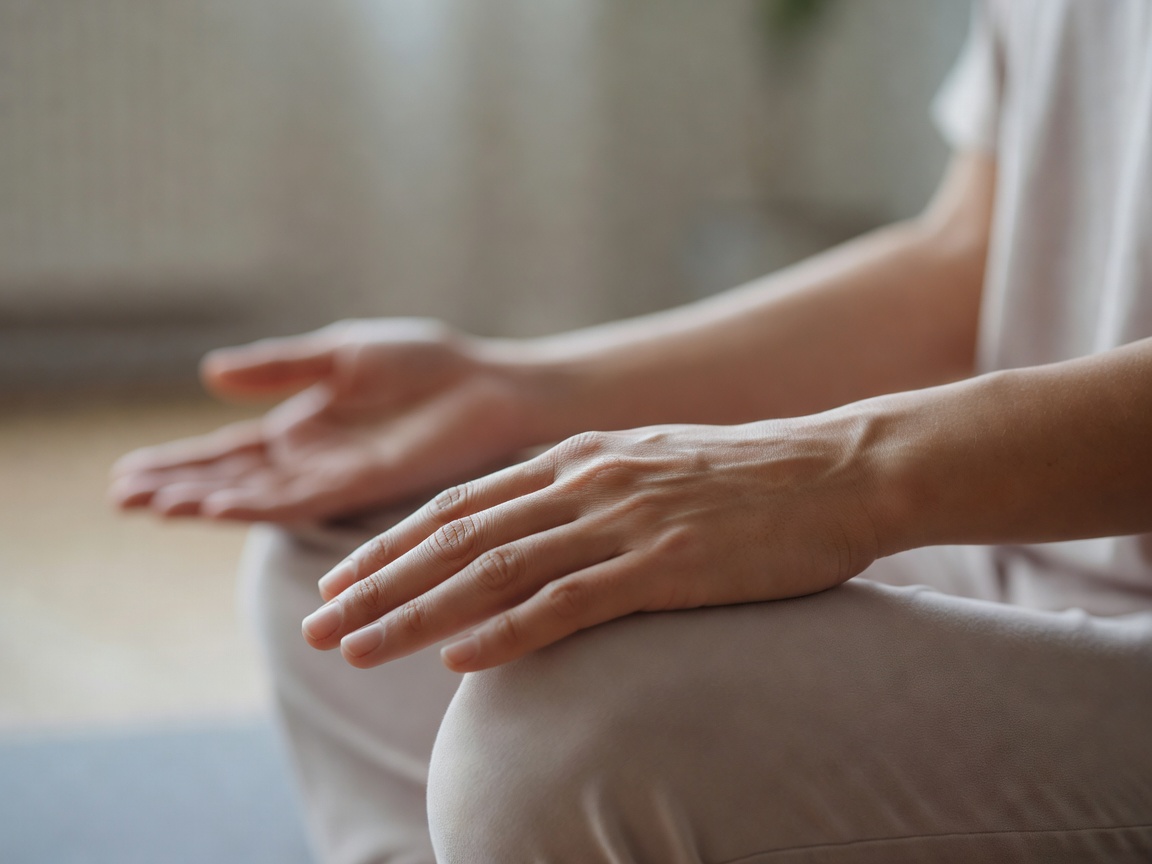
Sit comfortably, set a timer for five minutes and rest attention on the sensation of breathing. When your mind wanders — it will — notice where it went and return. That moment of returning is the exercise, not a failure. Increase to ten or fifteen minutes over a few weeks.
Other well-studied techniques
Expressive writing
Psychologist James Pennebaker's research found that writing about difficult experiences for 15–20 minutes on three or four consecutive days can improve mood and some health markers. A lighter daily version: write down tomorrow's worries and one next step for each before bed.
Time in nature
A 2019 study of nearly 20,000 people in England, led by Mathew White at the University of Exeter, found that people spending at least 120 minutes per week in natural settings were more likely to report good health and wellbeing. Parks and green city streets count.
Physical activity
Regular movement is one of the most consistent stress buffers in the literature. A brisk walk combines activity, daylight and often green space — see the walking guide.
Choosing a technique
| Technique | Works in | Effort | Best use |
|---|---|---|---|
| Cyclic sighing | 1–5 min | Low | Acute stress, before meetings |
| Box breathing | 2–4 min | Low | Under pressure, easy to recall |
| Mindfulness meditation | Weeks | Medium | Long-term reactivity and focus |
| Expressive writing | Days | Medium | Rumination, processing events |
| Nature walks | 20+ min | Low–medium | Mood and recovery |
Is mindfulness right for everyone?
Not always. A minority of people, especially those with trauma histories, find intensive meditation distressing. Shorter practices, eyes open, or movement-based mindfulness can feel safer. A trained teacher can help.
When should I seek professional help?
If stress disrupts sleep, work or relationships for several weeks, or you feel hopeless, contact a GP or a mental health professional. In the UK, Samaritans can be reached on 116 123.
Sources and further reading
- Balban MY. et al., "Brief structured respiration practices enhance mood and reduce physiological arousal," Cell Reports Medicine (2023).
- Goyal M. et al., "Meditation programs for psychological stress and well-being," JAMA Internal Medicine (2014).
- Kabat-Zinn J., Full Catastrophe Living (1990, revised 2013).
- White MP. et al., Scientific Reports (2019).
- Pennebaker JW., Opening Up by Writing It Down (2016).